Field notes Assurance
State of Farm Auditing, Inspection and Assessment in West Africa
Current realities in West Africa that affect farm standards and certification.
By Lawal Abdulrahman Temitope · · 3 min read
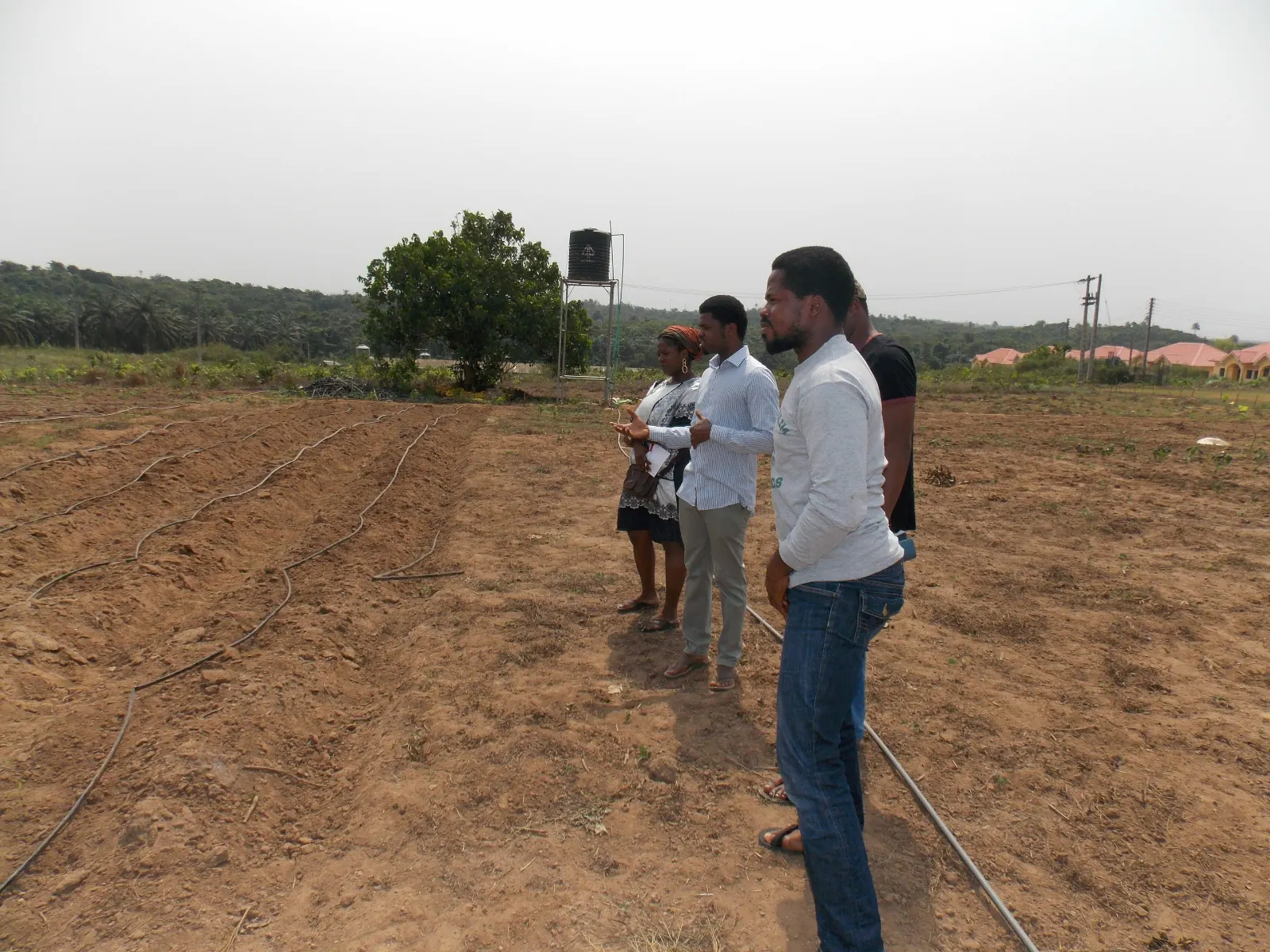
Statistics on farm auditors, inspectors and assessors in West Africa are not readily available, because the region's agricultural monitoring systems are often fragmented and underdeveloped. However, we can draw on the following trends and data to outline the state of farm auditing, inspection and assessment in the region.
1. A limited number of certified auditors and inspectors
According to various reports, the number of certified farm auditors and inspectors in West Africa is far lower than in Europe and North America. The Food and Agriculture Organization (FAO) and the International Federation of Organic Agriculture Movements (IFOAM) suggest that, over the last decade, fewer than 1,000 trained agricultural auditors have operated across the whole of West Africa.
- Most auditors and inspectors work with major schemes such as GLOBALG.A.P., Fairtrade and Rainforest Alliance, mainly in countries with stronger export industries such as Ghana, Côte d'Ivoire and Nigeria. These organisations focus heavily on export crops like cocoa, coffee and palm oil.
2. Sparse government involvement in local inspection
- Local and national governments in West Africa usually lack the infrastructure to carry out regular farm inspections. Nigeria, for example, has fewer than 100 agricultural inspectors in the public sector, responsible for the country's vast farming regions.
- By contrast, countries like Ghana and Senegal have specific initiatives to increase the number of inspectors for export certification. Ghana's Cocoa Board (COCOBOD) employs a network of quality control officers to inspect cocoa farms, but even this is limited by global standards.
3. Gaps in organic and Fairtrade certification
- The 2019 IFOAM report found that less than 0.1% of agricultural land in West Africa is certified organic, mainly because there are too few auditors and inspectors able to certify it. In Europe the figure is over 2%.
- Fairtrade International reported that only around 300,000 West African farmers were working under certified Fairtrade conditions by 2020, a low figure given the region's population and farming workforce.
4. Inconsistent national agricultural policies
- Some countries, like Ghana and Côte d'Ivoire, have tried to improve farming practices through government-sponsored auditing programmes. In most West African countries, however, agricultural inspection services are badly underfunded and given low priority.
- In Nigeria, for example, a 2020 report by the Nigeria Agricultural Quarantine Service (NAQS) found that fewer than 30% of farms supplying export markets were subject to routine audits or inspections. This leaves most farms without adequate monitoring.
5. Heavy reliance on international bodies
- Most of the working auditing and inspection systems in West Africa exist because foreign investors or international bodies stepped in to fill the gap. Organisations such as the World Bank, USAID and the European Union have funded programmes that provide auditing and certification for farms exporting products like cocoa, cotton and coffee.
- For example, in 2018 USAID launched a project in Liberia that trained 150 new agricultural inspectors as part of a wider effort to promote farm exports.
6. Training and capacity building
- UNIDO (the United Nations Industrial Development Organization) has reported on efforts to train farm assessors and inspectors in several West African countries. As of 2021, capacity-building work had reached Sierra Leone, Guinea and Benin, but progress remains slow and uneven.
- According to UNIDO's 2020 report, fewer than 10% of farmers in these countries had ever been visited by a certified inspector or assessor.
7. Quality control in export sectors
Cocoa is a critical area for farm auditing and inspection in West Africa. With Ghana and Côte d'Ivoire producing over 60% of the world's cocoa, these countries have a more developed inspection network. Ghana's COCOBOD employs an estimated 600 inspectors to oversee the industry, but even this is not enough for the number of smallholder farms. Nigeria's cocoa industry, in comparison, lags behind on inspection and certification, with fewer than 100 government-employed inspectors responsible for auditing farms across the country.
Overall, the available figures show that West Africa has a serious shortfall of trained farm auditors, inspectors and assessors. This gap limits the region's ability to ensure food safety, quality control and sustainable farming. Bridging it needs more government investment, international collaboration and training programmes to improve farm oversight across the region.